Biohazard Yellow Sign: A Designer’s Review
When I first pulled up Biohazard Yellow Sign. Death Danger Aler, my immediate reaction wasn’t about the graphic itself, but about how it would translate from a flat vector into something tactile. As an embroidery designer who spends half my life staring at stitch lines and the other half worrying about client expectations, I don’t just look at a design; I look at its potential to survive the hoop, the needle, and the wash cycle. This particular asset, categorized under Crafts and Graphics, carries a heavy visual weight. It is bold, universally recognized, and inherently risky if not handled with precision. Today, I’m breaking down exactly how this design performs in real-world scenarios, from custom apparel to small business merchandise.
The First Impression: Boldness vs. Complexity
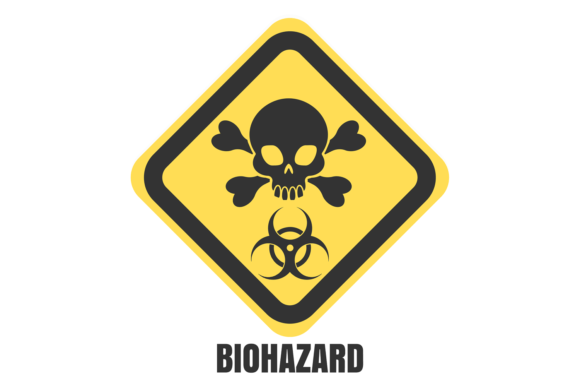
The moment you see Biohazard Yellow Sign. Death Danger Aler, the mood is set. It screams caution, industrial chic, or perhaps a touch of dark humor for the right audience. The shape is iconic—a trefoil symbol inside a circle—which provides a strong structural foundation for stitching. However, the "Death Danger Alert" aspect implies a level of seriousness that can easily tip into caricature if the execution is sloppy. In terms of visual personality, this design feels aggressive yet contained. It doesn’t rely on subtle gradients or soft shading; it relies on high-contrast geometry.
For a machine embroidery design, this simplicity is actually a blessing. Complex illustrations often fray or lose definition when stitched, but the clean lines of a biohazard sign tend to hold their shape well. The challenge here isn’t complexity; it’s contrast and placement. If you are planning to use this as an embroidery file for a boutique product, you need to ensure that the yellow thread pops against your chosen fabric without looking muddy or blending in too much. The design assets provided usually come in formats like EPS, JPG, SVG, and transparent PNG, which gives flexibility in digitizing, but the final look depends entirely on your thread selection and stitch type.
Real-Life Application: Where Does It Fit?
I recently considered using Biohazard Yellow Sign. Death Danger Aler for a batch of custom embroidered patches intended for a client’s industrial workwear line. The idea was to create a durable label that communicated safety without being overly bureaucratic. Another scenario that popped into my head was a series of tote bag designs for a creative entrepreneur selling edgy, street-style accessories. There is also a surprising niche for this in baby embroidery, specifically for parents with a sense of humor who want unique onesies or burp cloths—though one must be careful with the messaging there.
This design excels in custom apparel where durability is key. Imagine it stitched onto a heavy-duty canvas tote bag design. The bold yellow would stand out against black or navy fabric, creating a striking visual that catches the eye in a crowded market like Etsy. Similarly, on a sweatshirt, it works well as a chest logo or a back print, offering a gritty aesthetic that appeals to younger demographics. For sweatshirt embroidery, the fill stitches required for the solid yellow areas need to be dense enough to cover the fabric completely, ensuring no white backing shows through after washing.
It also translates beautifully to embroidered patch applications. Patches are versatile—they can be ironed or sewn onto caps, hats, aprons, and backpacks. A biohazard patch adds a layer of utility and style simultaneously. I’ve seen similar motifs used successfully on kitchen towels and tea towels for chefs who appreciate industrial decor, turning a functional item into a statement piece. The key is to match the design’s ruggedness with appropriate materials. Pairing this graphic with soft, delicate fabrics like silk or thin linen creates a jarring dissonance that rarely works unless done intentionally for high-fashion commentary.
Where to Exercise Caution
Not every project is a good fit for Biohazard Yellow Sign. Death Danger Aler. I strongly advise against attempting this design on textured fabrics like terry cloth or bouclé unless you have advanced stabilization skills. The uneven surface will distort the precise lines of the biohazard symbol, making it look wobbly and unprofessional. Thin fabrics are another risk; without proper stabilizer, the tension from the fill stitches can pucker the material, ruining the finished product.
Stretchy fabrics require careful hooping and potentially stretch-specific settings on your machine. If you’re working on curved surfaces like caps or hats, remember that the design will distort slightly due to the curvature. You may need to adjust the digitizing to account for this, or accept a slight ovaling effect. Small hoop sizes are particularly tricky; while the biohazard symbol is relatively compact, cramming it into a tiny space can cause the details to bleed together. Always check the minimum recommended hoop size before committing to a small accessory. Furthermore, if the design includes any tiny text elements (like "Death Danger Alert"), test them rigorously. Tiny lettering is the first thing to fail during frequent washing, leading to customer complaints and returns.
Technical Considerations for the Embroidery Designer
Before running Biohazard Yellow Sign. Death Danger Aler through your machine, there are several practical steps you must take. First, always test the design on scrap fabric that matches the weight and texture of your final project. This allows you to inspect small details and confirm that the stitch density is appropriate. Too much density can make the embroidery stiff and uncomfortable; too little can leave the fabric visible underneath.
Thread color contrast is paramount. Yellow can be notoriously difficult to embroider because it often requires multiple passes to achieve full coverage. If your yellow thread is too light, it might look translucent. Conversely, if it’s too bright, it might clash with the darker tones of the biohazard symbol if it’s rendered in black or red. I recommend testing the design in a black and white mockup first to evaluate the contrast ratios without the distraction of color. This helps you decide whether a satin stitch outline would improve clarity or if a combination of fill stitch and running stitch would yield better results.
Stabilizer choice cannot be overstated. For a design like this, which likely involves dense fill areas, a cut-away stabilizer is usually the safest bet, especially for garments that will undergo repeated laundering. Tear-away stabilizers might suffice for temporary projects like holiday gifts or one-time craft fair products, but they can leave residue or tear the fabric over time. Also, consider the end use: if this is for a commercial embroidery project sold online, ensure you have the correct licensing rights. Many digital designers assume their files are free for commercial use, but that is rarely the case. Confirming licensing prevents legal headaches down the road.
Visual Appeal and Brand Consistency
From a branding perspective, Biohazard Yellow Sign. Death Danger Aler is a powerful tool. It communicates danger, caution, or irony instantly. For a craft business targeting an alternative or industrial aesthetic, this design can serve as a signature element. It builds brand consistency if used across various touchpoints—from tags to packaging to the products themselves. Customers trust designs that look intentional and well-executed. A poorly stitched biohazard sign looks like a mistake; a crisp, vibrant one looks like a deliberate stylistic choice.
In terms of giftability, this design has a specific appeal. It’s perfect for someone who appreciates dark humor or works in hazardous environments. It makes for a memorable personalized gift, whether it’s on an apron for a home brewer or a cap for a mechanic. However, for more traditional markets, such as nursery decor or wedding gifts, this design might be too aggressive. Understanding your audience is crucial. When you list this as an Etsy seller or on your own shop, your descriptions should highlight the versatility and bold nature of the design to attract the right buyers.
Final Thoughts on Execution
Ultimately, Biohazard Yellow Sign. Death Danger Aler is a versatile and impactful design that rewards careful preparation. It thrives in contexts where durability and bold visuals are prioritized. Whether you are creating a handmade product for a local craft fair or scaling up production for a small shop product line, the principles remain the same: test thoroughly, choose the right materials, and respect the limitations of the medium. By paying attention to stitch density, thread contrast, and fabric compatibility, you can transform a simple graphic into a professional, high-value embroidery project. Don’t rush the process. Take the time to refine your technique, and your finished pieces will speak for themselves.