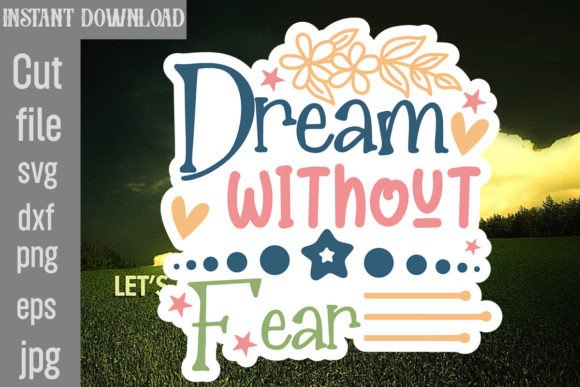
Dream Without Fear SVG Cut File Review
As a designer who spends hours evaluating digital assets for real-world embroidery projects, I rarely get excited about a file just because of its title. However, Dream Without Fear SVG Cut File caught my attention immediately. It is not merely another inspirational quote floating in a sea of generic graphics; it carries a specific mood that feels ready to be stitched into something tangible. When you are an Etsy seller or a small business owner looking for design assets that elevate your handmade product line, the difference between a basic print and a premium embroidered piece often comes down to the strength of the vector itself.
I approached this review with a practical mindset: How does this design hold up when transferred from a screen to fabric? Does it translate well into a machine embroidery design for a custom sweatshirt or a delicate baby item? The answer lies in how the visual personality of Dream Without Fear SVG Cut File interacts with thread texture and stitch density.
The First Impression: Mood and Visual Structure
When I first opened the files included in the download, the immediate feeling was one of clarity. The layout of Dream Without Fear SVG Cut File suggests a design meant to be seen clearly from a distance yet intimate enough for close inspection. For a craft business, the visual appeal of a finished product is everything. A design that looks good on a screen but collapses under the weight of satin stitches is a disaster waiting to happen.
This particular graphic seems to lean towards a bold, confident aesthetic. In the context of apparel decorators and boutique branding, the shape of the lettering and the spacing suggest it belongs on items that need to make a statement without shouting. It feels right at home on a tote bag design where the message needs to be legible even after repeated washing, or perhaps on a nursery decor item where parents want to convey warmth and encouragement through their handmade product.
The inclusion of a PNG file with a transparent background at 300 DPI is a thoughtful touch for anyone creating printable mockups. Before committing to a full run of custom apparel, seeing how the design sits on a digital mockup of a sweatshirt or a pillow cover helps visualize the final result. This step is crucial for maintaining brand consistency and ensuring that the finished product matches the expectations set by your marketing images.
Real-World Application: From Screen to Stitch
Let's talk about a real scenario. Imagine you are preparing for a holiday gift season or launching a new collection for your small shop. You have selected Dream Without Fear SVG Cut File as the centerpiece for a line of embroidered patches and personalized gifts. The goal is to create a sense of empowerment for your customers.
In this situation, the versatility of the file formats becomes apparent. With the provided SVG for Cricut and DXF for Silhouette, you can easily cut applique designs or prepare layers for complex stitching. If you decide to use this as an applique design, the clean lines allow for precise cutting of fabric shapes before they are fused or stitched onto the base garment. This adds a layer of texture that pure embroidery sometimes lacks, making the embroidery project feel more substantial and professional.
For those focusing on commercial embroidery, the design works exceptionally well on structured items like caps and hats, provided the hoop size is appropriate. The curve of a cap requires a design that doesn't lose its integrity when stretched over a rounded surface. The strong, simple geometry of Dream Without Fear SVG Cut File suggests it will maintain its readability even on the curved panel of a baseball cap. Similarly, for kitchen towels or aprons, which are popular items for craft fair products, the design offers a balance of style and durability.
However, if you are targeting the baby clothing market, you must consider the softness of the fabric. Embroidering directly onto thin, stretchy fabric can be tricky. The design might look stunning on a sturdy cotton canvas tote bag, but on a delicate onesie, the stitch density could cause puckering if not managed correctly. This is where the choice of stabilizer and thread colors becomes critical to achieving a high-quality result.
Where Caution is Required
No single design fits every scenario perfectly, and being honest about limitations is part of being a responsible reviewer. While Dream Without Fear SVG Cut File is robust, there are specific areas where you should exercise caution. Small hoop sizes are a common pitfall. If you attempt to fit this design into a tiny 4x4 inch hoop intended for a wrist cuff or a small pocket, the details may become crowded. Dense stitch areas can lead to fabric distortion, especially on dark fabrics where the underlying material shows through if the coverage isn't thick enough.
Layered garments present another challenge. If you plan to embroider this on a hoodie over a fleece lining, the needle penetration depth must be adjusted carefully. Furthermore, if your design includes tiny lettering or intricate decorative accents, these elements might get lost during the finishing process or fade quickly with frequent washing. For products that need to withstand heavy use, such as work aprons or frequently washed baby items, testing the durability of the thread colors against the fabric texture is essential.
Curved surfaces like caps require a specific approach to ensure the design lays flat. If the design is too wide or the curves are too sharp, it may not conform well to the hat's shape, resulting in a lumpy appearance. Always inspect small details and test the design in black and white mockups first to ensure contrast remains high regardless of the thread color you choose.
Practical Designer Notes for Success
To get the most out of Dream Without Fear SVG Cut File, I recommend a few steps before running a full production batch. First, always test the design on scrap fabric that matches the weight and texture of your final product. This allows you to check thread color contrast and review stitch density without wasting materials.
Confirm your hoop size early in the process. If the design exceeds your machine's capabilities, you may need to split it into sections, which can affect the overall flow of the embroidery file. Use proper stabilizer to support the fabric, particularly if you are working with stretchy materials like jersey or knits. A lack of stabilization can turn a beautiful embroidered patch into a wrinkled mess.
Compare light and dark fabric backgrounds to see how the design behaves. Sometimes a design that looks perfect on white fabric loses its impact on navy blue unless you adjust the underlay or thread selection. Finally, double-check whether the design works for both personal and commercial projects. Licensing terms vary, and as a creative entrepreneur, you want to ensure you have the rights to sell the finished items created with this asset.
If you are selling digital products, remember that providing clear instructions alongside your digital embroidery file adds value. Customers appreciate knowing which stitch types, such as satin stitch or fill stitch, yield the best results for a specific design. By treating Dream Without Fear SVG Cut File not just as a graphic but as a functional tool for creation, you position yourself as an expert in the crafts and graphics space.
Ultimately, the success of any embroidery project depends on the harmony between the design, the fabric, and the execution. Dream Without Fear SVG Cut File provides a solid foundation for building confidence in your designs. Whether you are creating a unique gift for a loved one or expanding your inventory for your online store, this file offers the potential to create a product that resonates emotionally with the wearer while standing up to the rigors of daily life.
By approaching this asset with careful planning and a focus on quality control, you can transform a simple vector into a cherished personalized gift or a standout piece of small shop merchandise. The key is to respect the medium, understand the limitations, and let the design do the talking through the texture and detail of the stitches.