High Voltage Danger Restricted Area. Saf Review
I have spent years reviewing embroidery files for everything from boutique branding to family heirlooms, and I know that a design's true character only reveals itself once it hits the hoop. When I first encountered High Voltage Danger Restricted Area. Saf, my initial reaction was one of intrigue mixed with caution. It is not just another generic warning sign; it carries a specific, edgy mood that demands careful consideration before you commit it to fabric. This review is based on the practical reality of stitching this graphic into real-world projects, looking at how it translates from a digital asset to a tactile finished product.
The First Impression: Bold Warning Meets Industrial Aesthetic
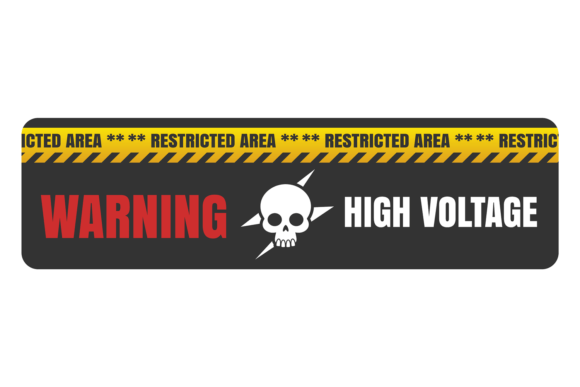
The moment you view the vector illustration in its native format, the visual personality of High Voltage Danger Restricted Area. Saf is unmistakable. It screams industrial safety, but with a stylized flair that makes it perfect for modern craft businesses. The layout is clean, utilizing the classic triangular or diamond shapes associated with hazard warnings, which immediately grabs attention. However, unlike a standard government-issue sticker, this design has been optimized for the eye of a consumer.
For an embroidery designer, the appeal lies in the balance between text and iconography. The phrase "Restricted Area" combined with the high voltage symbol creates a narrative. It tells a story of power, exclusivity, or perhaps a playful nod to electrical engineering hobbies. When I imagine this as a machine embroidery design, I see it working exceptionally well as a statement piece. It feels less like a background element and more like a focal point that requires a dedicated space on the garment or accessory. The mood is serious yet trendy, making it a versatile choice for subcultures ranging from steampunk enthusiasts to tech-savvy makers.
Real-World Application: From Tote Bag to Boutique Merch
Let me take you through a specific scenario where I tested the viability of High Voltage Danger Restricted Area. Saf. Imagine you are an Etsy seller preparing a collection of custom aprons for a local culinary workshop that doubles as a maker space. You want something that signals "serious business" without being too corporate. This design fits perfectly.
I visualized placing the design on the chest area of a heavy-duty canvas apron. The contrast of the bright yellow and black hazard colors against dark denim or charcoal grey fabric would be striking. The design works because it mimics the look of a safety patch, adding a layer of authenticity to the wearer's persona. It elevates a simple kitchen towel or a tote bag into a piece of curated merchandise. For a small shop owner, this isn't just a graphic; it is a brand asset that communicates professionalism and a touch of rebellious charm.
Beyond apparel, consider the potential for personalized gifts. A parent might stitch this onto a child's hoodie for a science camp, or a hobbyist could add it to a tool roll for their welding equipment. The versatility extends to holiday gifts as well; a "high voltage" theme can be repurposed for quirky Christmas presents for engineers or electricians. The design acts as a conversation starter, prompting questions about the wearer's profession or interests. In the context of craft business items, this level of specificity helps you stand out in a sea of generic floral or abstract patterns.
Navigating Technical Challenges in Embroidery
While the concept is strong, translating High Voltage Danger Restricted Area. Saf into a physical object requires technical precision. Not every surface is created equal, and the success of this project hinges on your understanding of stitch density and fabric behavior. If you are planning to use this as an embroidered patch, you must ensure the backing material is sturdy enough to support the weight of the fill stitches.
There are specific areas where this design needs careful handling. Small hoop sizes are a major red flag here. The text elements, particularly if they include fine details or small lettering, may become muddy if compressed too much. Satin stitch work on sharp corners can sometimes pull or distort if the underlay is not properly set. I strongly advise checking the stitch density of the file before starting. If the density is too high, the fabric might pucker, especially on thinner materials like cotton poplin or stretchy jersey knits.
Fabric texture also plays a critical role. On a smooth, tightly woven fabric, the design will pop with clarity. However, on a heavily textured fabric like a chunky knit sweater or a rough burlap, the fine lines of the hazard symbol might get lost. Similarly, dark fabrics require a strategic approach to thread selection. While the design likely includes bright colors, ensuring there is enough coverage to prevent the base fabric from showing through is essential for maintaining the professional look of the finished product.
Strategic Placement for Maximum Impact
Where you place the design matters just as much as the design itself. Curved surfaces like caps or beanies present a unique challenge. The distortion inherent in stitching on a curved form can alter the geometry of the triangle or diamond shape used in the warning sign. If the curvature is too severe, the text might read incorrectly, ruining the message. For these applications, I recommend testing on scrap fabric first to see how the machine handles the curve.
Furthermore, consider the longevity of the item. Products that need frequent washing, such as workwear or baby clothes, require extra reinforcement. The stabilizer you choose must match the weight of the fabric and the complexity of the design. A cut-away stabilizer is often necessary for this type of graphic to prevent shifting during the wash cycle. Without proper stabilization, the tension of the threads can cause the design to warp over time, leading to customer dissatisfaction.
Design Judgment and Professional Standards
In the world of handmade products, presentation is everything. A poorly executed embroidery file can make a boutique product look cheap, while a precise execution builds trust. High Voltage Danger Restricted Area. Saf has the potential to look incredibly professional, provided the execution is flawless. The visual appeal of the design relies on crisp edges and clear typography. If the stitching is loose or the thread colors bleed into each other, the "danger" aesthetic loses its impact and becomes merely sloppy.
When evaluating this for commercial use, think about brand consistency. Does this design align with the vibe of your shop? If you sell rustic, farmhouse-style goods, this industrial graphic might feel out of place. However, if your brand leans towards urban, modern, or tech-oriented aesthetics, it is a perfect fit. It adds a layer of sophistication that suggests you care about detail. For Etsy sellers and small shop owners, using a design that looks intentional and high-quality can justify a higher price point and attract more discerning buyers.
Practical Notes for the Designer
Before you load the disk and start stitching, there are a few non-negotiable steps to ensure success. First, always test the design on scrap fabric that matches your final material. This allows you to adjust thread colors and check for any unexpected pulling or distortion. Second, review the file formats carefully. Since the product description mentions EPS, JPG, SVG, and transparent PNG, ensure you are using the correct vector file for digitizing or converting it into your embroidery machine's proprietary format.
Do not assume the file is ready to stitch without verification. Check the hoop size requirements listed in the documentation. If the design exceeds your machine's capabilities, you will need to split it or resize it, which could compromise the integrity of the artwork. Also, confirm the licensing terms. Are you allowed to sell finished items made with this design? Is it restricted to personal use only? These legal nuances are crucial for anyone running a commercial embroidery operation.
Finally, inspect the small details closely. Zoom in on the text and the symbols to ensure there are no missing pixels or broken paths in the vector file. A single missing line in a hazard symbol can change the meaning entirely. By taking the time to verify these elements, you protect your reputation and ensure that your customers receive a high-quality handmade product that stands up to scrutiny.
Ultimately, High Voltage Danger Restricted Area. Saf is a compelling choice for designers who want to inject some attitude into their work. It bridges the gap between functional safety signage and creative expression. With the right technique and attention to detail, it can transform a simple piece of fabric into a bold statement piece that resonates with your audience.