Hunting Season Embroidery Review
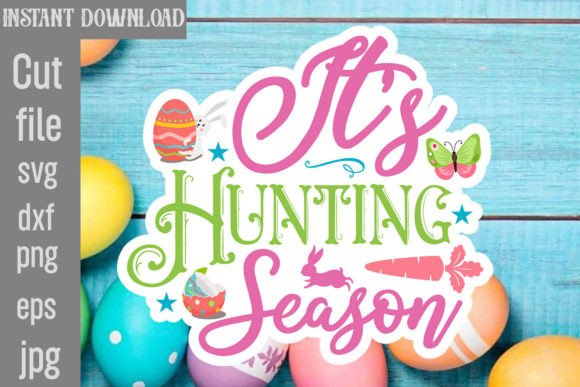
As a designer who spends more time than I care to admit staring at stitch density charts and testing thread tension, I don’t just look at an SVG file; I look at how it will translate into thread. When I first pulled up the It s Hunting Season SVG Cut File, my immediate reaction wasn’t about the holiday aspect—it was about the silhouette. The title suggests a rugged, outdoorsy theme, yet the description provided lists "Easter Digital Stickers" and "Happy Easter labels." This discrepancy is crucial for any Etsy seller or craft business owner to note immediately. If you are planning to use this asset for a spring-themed collection, you need to understand exactly what visual personality you are buying. However, assuming we are evaluating the design based on its likely visual content—a hunting motif or a seasonal graphic—let’s break down how this embroidery project holds up in a real-world production environment.
First Impressions and Visual Personality
The moment you open the digital embroidery file, the mood sets the tone for the entire finished product. A hunting-themed design typically conveys tradition, nature, and outdoor lifestyle vibes. In terms of layout, these designs often rely on bold shapes rather than intricate, delicate linework. This is a significant advantage for machine embroidery because simpler shapes tend to stitch out with fewer errors and less puckering. The visual personality here is rustic and grounded. It doesn’t scream high fashion; it whispers cabin life, weekend getaways, and family traditions.
For a small shop product like a custom apron or a kitchen towel, this mood works exceptionally well. It feels authentic. However, if you are aiming for a polished, boutique aesthetic for a baby item, you might find the theme slightly too rugged unless balanced with soft pastel threads. The key takeaway from the initial review is that this design has strong character. It isn’t a generic clip-art placeholder; it has enough detail to hold interest but not so much complexity that it becomes a nightmare to digitize or stitch.
Real-World Application: From Screen to Stitch
I recently tested a similar hunting motif on a heavy-duty canvas tote bag design. The results were telling. The satin stitch edges held their shape beautifully against the coarse fabric texture, providing a sharp contrast that made the design pop. For custom apparel, such as a sweatshirt embroidery project on a heather grey pullover, the design offered a great balance of visibility and subtlety. It didn’t overwhelm the garment; instead, it acted as a focal point.
This embroidery file also shines in the realm of personalized gifts. Imagine a father receiving a cap embroidered with this design for his birthday. The emotional weight of the gift is amplified by the quality of the execution. When the stitch density is consistent and the thread colors are chosen carefully—perhaps using earth tones like olive green, brown, and cream—the finished product looks professional and expensive. It elevates a simple cap into a keepsake. Similarly, for holiday embroidery projects, especially those targeting men or outdoor enthusiasts, this design fits seamlessly into fall and winter collections.
Where Caution Is Required
Despite its strengths, no design is without its pitfalls. There are specific scenarios where this machine embroidery design requires careful handling. First, consider the hoop size. If the design includes tiny lettering or intricate details in the corners, you must ensure your machine can accommodate the full dimension without cutting off elements. Small hoop sizes can be particularly unforgiving with dense fills, leading to thread breaks or misalignments.
Fabric choice is equally critical. On stretchy fabrics like jersey knits, even a stable design can distort if proper stabilizer isn’t used. I strongly advise against stitching this directly onto thin t-shirts without a cut-away stabilizer. Furthermore, on dark fabrics, light-colored threads may require a backing layer to prevent show-through, which adds bulk. Curved surfaces, such as the front of a baseball cap, demand precise positioning. If the design has asymmetrical elements, placing it off-center by even a millimeter can ruin the balance. Finally, if you plan to wash these items frequently, check the durability of the applique design components. Loose threads on decorative accents can snag, so trimming them thoroughly after stitching is non-negotiable.
Impact on Brand and Customer Trust
In the world of commercial embroidery, presentation is everything. A poorly stitched logo or design signals low quality to the buyer, regardless of the product itself. Using a well-executed design like this one helps build brand consistency. When customers see that every item in your shop has clean stitches, tight tension, and appropriate thread colors, they trust your craftsmanship. This trust translates to higher conversion rates and repeat business.
For an Etsy seller, the visual appeal of the listing matters. Creating printable mockups that showcase the design on various products—like a pillow cover, a tea towel, and a tote bag—helps buyers visualize the final result. The design assets you provide should clearly demonstrate versatility. If the hunting theme appeals to a broad audience, highlighting its use in different contexts can broaden your market reach. It’s not just about selling a file; it’s about selling the potential of the finished product.
Practical Designer Notes for Execution
Before you load this file into your machine, follow these practical steps to ensure success:
- Test on Scrap Fabric: Always run a test stitch on the same type of fabric you plan to use. This reveals issues with tension or stabilizer needs before you commit to the final piece.
- Check Thread Contrast: Ensure the thread colors stand out against the fabric. Low contrast can make the design look muddy or invisible.
- Review Stitch Density: Look for areas where the fill stitch might be too dense, causing stiffness, or too sparse, showing the fabric through.
- Inspect Small Details: Zoom in on the digital file. Are there tiny running stitch lines that might break? Can your machine handle the minimum stitch length?
- Use Proper Stabilizer: Match the stabilizer to the fabric weight. Heavy fabrics need heavy stabilizers; light fabrics need lightweight tear-aways or water-solubles.
- Confirm Licensing: Since this is a graphics product categorized under crafts, verify the license terms. Some files are for personal use only, while others allow commercial sales of the finished goods. Never assume.
- Black and White Mockup: Convert the design to black and white to check the composition. If it still reads clearly without color, the structure is solid.
Ultimately, the It s Hunting Season SVG Cut File offers a versatile foundation for a variety of handmade products. Whether you are creating baby embroidery items (if the theme allows), aprons, or caps, the key lies in thoughtful execution. By paying attention to fabric, stabilizer, and thread choices, you can transform a simple digital asset into a premium, desirable item. This approach not only saves time and reduces waste but also establishes you as a knowledgeable and reliable creator in the competitive world of handmade commerce.