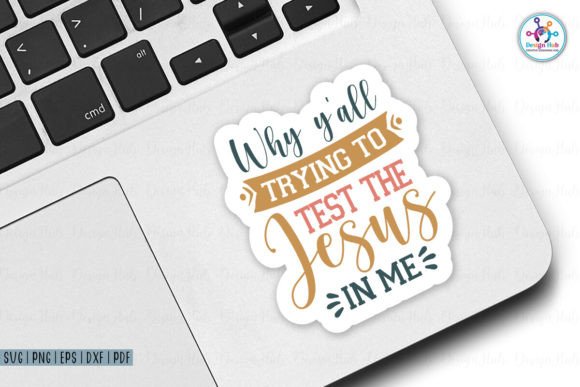
Why Y all Trying to Test the Jesus in Me: A Designer's Review
As someone who has spent years stitching, digitizing, and reviewing embroidery files for everything from boutique apparel to personalized nursery decor, I have learned to look past the catchy phrase on a design. When I first encountered Why Y all Trying to Test the Jesus in Me, my initial reaction was a mix of amusement and curiosity about its potential as a functional machine embroidery design. In a market saturated with generic faith-based graphics, this piece stands out because of its bold, conversational tone. It feels less like a traditional religious statement and more like a spirited declaration of boundaries, wrapped in a modern, streetwear-inspired aesthetic.
The core appeal here lies in its personality. The phrase suggests confidence, humor, and a firm spiritual stance. For an embroidery designer or a small business owner looking to create unique handmade products, this translates into a design that resonates deeply with customers who value authenticity. Whether you are preparing a custom embroidered tote bag for a church group or creating a line of sweatshirt embroidery for a youth ministry, this file offers a visual hook that stops a shopper in their tracks. However, turning a digital graphic into a tangible stitched product requires careful consideration of how the design behaves under the needle.
Real-World Application: From Screen to Stitch
Let's imagine a practical scenario. You are an Etsy seller preparing for the holiday season, and you want to launch a limited collection of kitchen towels and aprons featuring faith-based humor. You pull up Why Y all Trying to Test the Jesus in Me to see if it fits your brand. The immediate thought is how the text will flow across a standard 4x4 hoop versus a larger commercial frame. The layout likely demands a clean background to let the message breathe. If you place this on a dark fabric, the thread colors become critical; you need high contrast to ensure the phrase remains legible after washing.
I envision this design thriving on items that allow for a bit of "attitude." A denim jacket patch, a sturdy canvas tote bag design, or a thick cotton pillow cover would be ideal candidates. The design's energy matches the durability of these materials. Conversely, using it on delicate baby clothes might require a softer approach to the stitch density to avoid irritation, even though the theme could work well for a christening gift. The key is matching the fabric texture to the design's weight. On a textured fabric like a fleece sweatshirt, the design needs enough fill stitch to anchor itself without getting lost in the pile. On a smooth sateen, the edges must be crisp to maintain that professional look.
Navigating Technical Challenges
No embroidery file is without its pitfalls, and understanding where Why Y all Trying to Test the Jesus in Me might struggle is just as important as knowing where it shines. One of the primary concerns with any text-heavy design is the handling of small details. If the original artwork includes tiny serifs or intricate flourishes within the letters, these can easily get swallowed up by the thread tension during production. Before committing to a full run, I always recommend testing the design on scrap fabric to inspect small details and confirm that no lettering becomes illegible.
Hoop size is another critical factor. If you attempt to stitch this on a curved surface like a baseball cap, the distortion of the fabric can stretch the text, making the message harder to read. For custom apparel like caps, a smaller, more compact version of the design is often necessary to accommodate the curve. Similarly, on stretchy fabrics like jersey knit t-shirts, the stabilizer choice becomes paramount. Without proper support, the tension of the stitches can cause the fabric to pucker, ruining the presentation of the finished product.
Dense stitch areas are also worth noting. If the design relies heavily on fill stitch to create a solid block of color, you must ensure your machine can handle the density without breaking needles or tangling threads. For a commercial embroidery project, efficiency matters; a design that takes too long to stitch increases labor costs and wear on the machine. Always review the stitch density and consider whether a combination of satin stitch for outlines and running stitch for lighter elements might offer a better balance between detail and speed.
Impact on Brand and Customer Trust
In the world of craft business and Etsy sellers, the quality of your finished product directly impacts customer trust. A poorly executed design can make a handmade item look cheap, regardless of the price point. Why Y all Trying to Test the Jesus in Me has the potential to elevate a brand's image because of its strong voice. When done correctly, it signals that the maker understands both the craft and the culture they are serving. Customers appreciate when a design looks intentional and professional, rather than rushed or pixelated.
This design also excels in terms of giftability and recognition. The phrase is memorable and sparks conversation, making it a perfect conversation starter at craft fairs or online shops. When a buyer sees a beautifully embroidered version of this quote on a kitchen towel or a pillow cover, they immediately understand the sentiment. This clarity drives engagement and helps build a loyal following for your shop. However, this only works if the execution is flawless. Consistent thread colors, neat backings, and precise alignment are non-negotiable for maintaining brand consistency.
Practical Notes for the Embroidery Professional
Before you load this file into your hooper, there are several steps every serious designer should take. First and foremost, test the design on scrap fabric first. This simple step reveals issues with thread tension, fabric puckering, or color clashes that mockups cannot show. Check thread color contrast carefully; a design that looks vibrant on a screen might appear muddy in thread form depending on the specific yarns used.
You must also confirm whether the design works for both personal and commercial projects. Many digital assets come with licensing restrictions that prevent selling finished items. Ensure you have the right permissions before listing small shop products or printable mockups for sale. Additionally, use proper stabilizer. The type of stabilizer—cut-away, tear-away, or wash-away—should match the fabric weight and the intended use of the final item. For items that will undergo frequent washing, like aprons or dishcloths, a cut-away stabilizer provides the longevity needed to keep the design intact.
Finally, don't rely solely on digital previews. Compare light and dark fabric backgrounds in your mind, or better yet, stitch samples on both. This ensures the design maintains its visual appeal regardless of the base material. By taking these precautions, you transform a simple graphics file into a premium embroidery project that honors the artistry of the craft.
Why Y all Trying to Test the Jesus in Me is more than just a sticker or a print; it is a statement waiting to be stitched. With the right technique and attention to detail, it can become a standout piece in any embroidery designer's portfolio, bringing a fresh, modern edge to faith-based crafting.