Handshake Outline SVG Review: A Designer’s Perspective on Line Art Embroidery
As a designer who spends more time than I care to admit staring at stitch density charts and fabric swatches, I have learned that the difference between a good embroidery project and a great one often comes down to the source file. It is not just about whether the machine can read the code; it is about how the design translates from a digital vector into a tactile, textured reality. When I first pulled up Handshake Outline SVG, Line Art Vector, my initial reaction was not one of excitement for its complexity, but rather an appreciation for its restraint. In a market flooded with overly detailed, multi-colored fills that risk looking muddy when stitched, this line art approach offers a refreshing alternative.
This product falls squarely into the categories of Crafts and Graphics, specifically targeting those of us who need clean, scalable assets for both digital and physical applications. But does it hold up in the hoop? Let’s dive into a practical evaluation based on real-world usage scenarios, focusing on how this design performs when moving from screen to fabric.
The Visual Personality and First Impressions
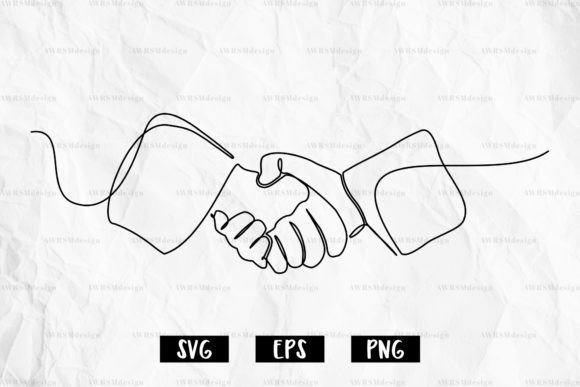
The mood created by Handshake Outline SVG, Line Art Vector is one of professional yet warm connection. A handshake is a universal symbol of agreement, greeting, partnership, or friendship. By rendering it as a simple outline rather than a filled shape, the design loses some of its literal weight but gains significant versatility. The visual personality is minimalist, modern, and clean. It feels less like a corporate logo and more like a thoughtful graphic element suitable for lifestyle branding.
From a design standpoint, the layout relies heavily on negative space. This is crucial for embroidery because negative space allows the fabric itself to become part of the image. When you look at the vector bundle, you are seeing a promise of clarity. There are no tiny, intricate details that would require micro-stitching or risk unraveling. Instead, the lines are bold enough to be distinct but thin enough to feel delicate. This balance suggests that the design will work exceptionally well for projects where subtlety is preferred over bold statement-making. It creates a sense of sophistication that appeals to buyers who appreciate understated elegance in their handmade product offerings.
Real-World Application: From Concept to Finished Product
To truly understand the value of this embroidery file, we need to place it in specific use cases. Imagine you are preparing inventory for an upcoming craft fair or updating your Etsy shop. You want to create a line of custom apparel that speaks to entrepreneurship, teamwork, or mentorship. Here is how Handshake Outline SVG, Line Art Vector might perform in various contexts:
- Custom Tote Bags and Aprons: These items often feature large, central designs. Using this outline design on a canvas tote or a linen apron allows the texture of the heavy fabric to show through the open spaces. It transforms a simple bag into a tote bag design that looks curated and intentional. For a business owner selling these items, the clean lines ensure that even if the stitching is slightly imperfect, the overall aesthetic remains sharp.
- Sweatshirt Embroidery: Hoodies and crewnecks are staples in the small shop product catalog. Placing this design on the chest area of a sweatshirt creates a subtle brand mark. Because it is a line art vector, it does not overwhelm the garment. It sits lightly, inviting the viewer to lean in closer to see the detail. This works particularly well for commercial embroidery clients who want branding without looking like walking billboards.
- Baby Embroidery and Nursery Decor: While a handshake might seem formal, in a pastel palette, it can represent a "first deal" or a parent-child bond. On a baby onesie or a nursery wall hanging, the simplicity of the running stitch or satin outline ensures safety and comfort. There are no bulky threads to irritate skin, making it an ideal choice for baby clothes and personalized gifts for new parents.
- Embroidered Patches and Caps: For hat makers, this design is a goldmine. The circular or oval nature of many handshake outlines fits perfectly within standard cap front panels. It provides a recognizable icon that reads clearly from a distance. As an embroidered patch, it can be applied to denim jackets or backpacks, adding a touch of personality without the bulk of a full fill design.
Technical Considerations and Stitch Performance
While the visual appeal is strong, the true test lies in the execution. As an experienced reviewer, I must address the technical realities of using a line art design in machine embroidery. The success of Handshake Outline SVG, Line Art Vector depends heavily on how you manage thread colors, stitch density, and fabric choice.
Stitch Density and Clarity: Because this is an outline, the primary stitches will likely be satin or long-and-short stitches. If the stitch density is too high, the lines may pucker, especially on lightweight fabrics. Conversely, if the density is too low, the fabric may show through, breaking the illusion of the line. It is essential to check the underlying digitization (if available) or adjust settings manually to ensure the lines remain crisp. I recommend testing the design on scrap fabric first to dial in the perfect tension.
Fabric Texture and Color Contrast: This design thrives on contrast. On dark fabric, a white or light grey thread will make the handshake pop, creating a striking finished product. On light fabric, a navy or black thread offers a classic, timeless look. However, be cautious with textured fabrics like chunky knits or bouclé. The uneven surface can distort the smooth curves of the line art, making the handshake look wobbly or misshapen. Stick to smooth weaves like cotton twill, jersey, or linen for the best results.
Hoop Size and Stability: Ensure that the design fits comfortably within your intended hoop size. While line art requires less material than fills, the perimeter still needs stability. Using the proper stabilizer is non-negotiable. For stretchy fabrics like t-shirt material, a cut-away stabilizer is recommended to prevent distortion during and after washing. For woven fabrics like tote bags, a tear-away may suffice, but a wash-away backing can provide extra support during stitching.
Where to Use With Caution
There are certain scenarios where this design might not perform as expected. Avoid using it on curved surfaces like the brim of a cap unless you have specialized curving tools, as the straight lines of the vector may not follow the curve naturally. Additionally, be mindful of small hoop sizes. If the design is scaled down too much, the individual strokes of the line may merge together, losing their definition. Always inspect small details closely before committing to a final run.
Impact on Brand Consistency and Customer Trust
In the world of Etsy seller and craft business operations, presentation is everything. A clean, well-executed design signals professionalism. When a customer receives a personalized gift or a piece of custom apparel featuring a crisp, un-puckered Handshake Outline SVG, Line Art Vector, they perceive higher value. It suggests that the maker cares about quality and attention to detail.
Furthermore, the versatility of this design asset supports brand consistency. Whether you are creating a printable mockup for social media marketing or producing a batch of holiday embroidery items, the same core graphic can be used across different colorways and products. This consistency helps build recognition. Customers begin to associate the clean, minimalist aesthetic with your brand identity. It is a smart strategic move for creative entrepreneurs looking to scale their operations without sacrificing artistic integrity.
Practical Designer Notes for Implementation
Before you load this file into your machine or add it to your digital asset library, keep these practical tips in mind:
- Test on Scrap Fabric: Never assume a design will stitch perfectly on the first try. Test thread color contrast and stitch length on a piece of the same fabric you plan to use.
- Review Black and White Mockups: View the design in grayscale to ensure there is sufficient contrast between the thread and the fabric. Colors can deceive the eye; monochrome reveals the truth.
- Check Licensing: Although this is a digital embroidery file and design asset, always confirm the licensing terms before selling finished items. Ensure you have the right to use it for commercial purposes.
- Inspect Small Details: Zoom in on the vector. Are there any jagged edges or overlapping paths that could cause stitching errors? Clean up the file if necessary.
- Compare Backgrounds: Test the design on both light and dark backgrounds to see how it performs in different lighting conditions. This is especially important for apparel decorators who offer custom orders.
Ultimately, Handshake Outline SVG, Line Art Vector is a versatile, elegant tool for any designer’s arsenal. It bridges the gap between digital precision and handmade warmth. By understanding its strengths and limitations, you can create stunning embroidery projects that resonate with customers and elevate your craft business. Whether you are making a single personalized gift for a friend or mass-producing small shop products for an online store, this design offers a reliable foundation for success.