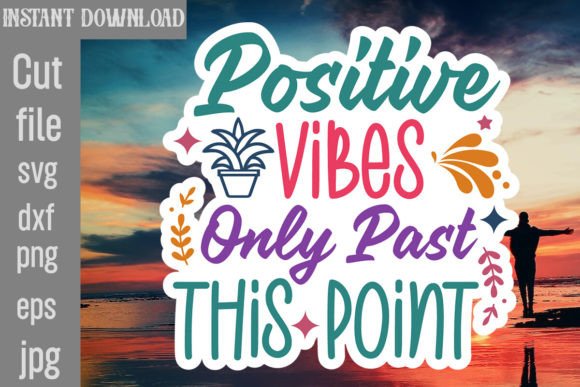
Positive Vibes Only Past This Point SVG Review
As a designer who has spent years turning digital files into tangible, stitched treasures, I know that the difference between a project that feels professional and one that looks amateurish often comes down to the source file. Today, I am putting Positive Vibes Only Past This Point SVG through its paces to see if it truly belongs in your embroidery workflow. This isn't just another graphic; it is a statement piece that needs to hold up under the needle while delivering the exact mood you promise your customers.
The First Impression: Mood and Layout
When I first opened the download package for Positive Vibes Only Past This Point SVG, my immediate reaction was about clarity and attitude. The layout is straightforward, which is exactly what you want for machine embroidery. There is no clutter or unnecessary decorative noise that could turn into a tangled mess of thread on the hoop. The phrase itself carries a specific energy—boundary-setting but lighthearted—and the design reflects that with a clean, confident look.
For an embroidery designer, the visual personality of a file matters as much as the text. This design screams "casual chic." It feels like something that would sit perfectly on a well-worn tote bag or a cozy sweatshirt. It does not try to be high-fashion or overly intricate; instead, it leans into the charm of handmade imperfection. The vector lines appear sharp, suggesting that when converted to stitch data, the edges should remain crisp without excessive jaggedness.
Real-World Application: A Custom Tote Bag Scenario
To really test this embroidery file, imagine you are preparing a batch of custom merchandise for a local craft fair. You have decided to create embroidered canvas tote bags for a small boutique client who specializes in wellness and mindfulness products. The goal is to add a touch of humor and positivity to their branding without making the product feel too childish.
This is where Positive Vibes Only Past This Point SVG shines. On a natural-colored canvas tote, the design acts as a focal point. When I visualize the stitching process, the text likely utilizes a combination of satin stitches for the lettering to give it a smooth, glossy finish, perhaps accented with a few running stitches if the font style allows for texture. The placement on the front panel of the bag creates a balanced composition that draws the eye immediately.
Customers at a craft fair respond well to designs that feel authentic. They do not want to see a mass-produced sticker; they want to see the texture of the thread and the precision of the machine. If executed correctly, this design elevates a standard tote bag from a simple utility item to a personalized gift that people will actually use. It adds value to the finished product, making it a viable option for an Etsy listing or a small shop inventory.
Technical Performance and Stitch Density
Not all graphics translate equally well to fabric. Some designs look great on a screen but fail miserably when converted to stitch density. With Positive Vibes Only Past This Point SVG, the simplicity of the layout works in your favor. Because the design relies on clear typography rather than complex illustrations, it reduces the risk of thread breaks or puckering, provided you manage your stabilizer correctly.
However, the devil is always in the details. When reviewing the included formats—the SVG File for Cricut, the DXF File for Silhouette, and the EPS File Vector—you must ensure that the curves in the letters are smooth. If there are any sharp angles or tiny serifs, they might get lost in the stitching or require a higher stitch count to fill properly. The PNG File Transparent Background, 300 Dpi is excellent for creating printable mockups to show clients before you even start sewing, allowing you to preview how the design looks on different fabric textures.
I recommend checking the stitch density settings in your digitizing software. Since this is a text-heavy design, you want to avoid over-saturating the area, which can cause the fabric to bunch up around the text. A moderate density usually yields the best results for apparel, ensuring the design lies flat against the material.
Where to Use (and Where to Be Careful)
This design is incredibly versatile. It fits naturally into categories like custom apparel, sweatshirt embroidery, and baby embroidery. Imagine a onesie for a new baby with this playful message—it is a perfect personalized gift for a baby shower. It also works beautifully as a kitchen towel design or a pillow cover for a living room, adding a touch of wit to home decor.
However, there are scenarios where you need to exercise caution. If you are working with a very small hoop size, the legibility of the text might suffer. Tiny lettering can become illegible once stitched, especially if the thread color does not contrast sharply with the fabric. Similarly, on stretchy fabrics like thin jersey knits, the tension required for this design might cause the garment to warp unless you use a strong tear-away or cut-away stabilizer.
Dark fabrics present another challenge. While the thread colors you choose can mitigate this, you must ensure there is enough contrast so the message remains readable. If the design includes fine details or small corners, these areas are prone to distortion on textured fabrics like fleece or heavy denim. In these cases, a test run on scrap fabric is non-negotiable.
Impact on Brand and Customer Trust
In the world of craft business and Etsy sellers, presentation is everything. A poorly executed design can undermine customer trust, making them question the quality of your entire shop. Conversely, a well-stitched embroidered patch or tote bag design builds credibility.
Positive Vibes Only Past This Point SVG supports a brand image that is friendly, approachable, and thoughtful. It signals to the buyer that you care about the message being conveyed. When a customer receives a handmade item with this design, they are not just buying a product; they are buying a sentiment. This emotional connection drives engagement and repeat purchases. For commercial embroidery projects, using a design that resonates with the target audience can significantly increase the perceived value of the item.
Practical Designer Notes for Success
Before you commit this design to a final project, here are a few essential steps to ensure a flawless outcome:
- Test on Scrap Fabric: Always run a test stitch on a piece of the same fabric you plan to use. This helps you gauge the tension and identify any potential issues with thread breakage or puckering.
- Check Thread Color Contrast: Ensure the thread color stands out against the fabric. High contrast makes the design pop and ensures readability.
- Review Stitch Density: Adjust the density in your software to match the fabric type. Heavy fabrics may need denser stitching, while delicate fabrics require lighter coverage.
- Confirm Hoop Size: Make sure your design fits within your machine's hoop capabilities. If the design is large, you may need to split it or use a larger frame.
- Inspect Small Details: Zoom in on the vector file to check for any tiny elements that might get lost during digitization.
- Verify Licensing: Before selling finished items or digital products, confirm the licensing terms associated with the download. Ensure you have the right to use the design for commercial purposes.
By following these guidelines, you can transform a simple digital download into a high-quality handmade product that delights your customers. Positive Vibes Only Past This Point SVG is more than just a graphic; it is a tool for creative entrepreneurs to express themselves and build a loyal customer base. Whether you are decorating a holiday gift or launching a new line of small shop products, this design offers a solid foundation for success.
Ultimately, the best designs are those that serve a purpose and bring joy. This file checks both boxes, offering a blend of practicality and personality that fits seamlessly into the modern crafter's toolkit. Happy stitching!