Reviewing the Fist Bump Outline Vector for Embroidery
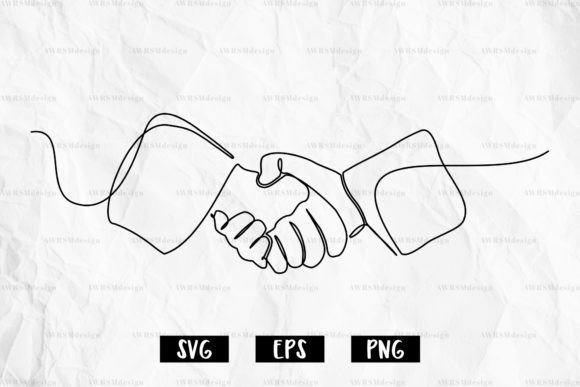
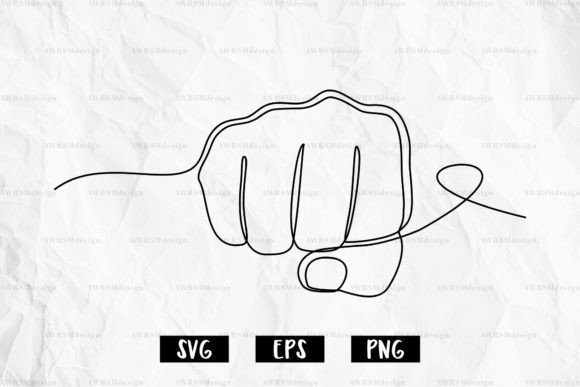
As a designer who spends half my life staring at stitch menus and the other half worrying about whether a client will actually wear what I made, I don’t just buy graphics—I interrogate them. When I first pulled Fist Bump Outline Vector, Line Art SVG into my workspace, I wasn’t looking for a complex narrative scene or a highly detailed portrait. I was looking for something clean, recognizable, and versatile enough to survive the transition from a flat vector file to a tangible, stitched product. This is where the rubber meets the road: does a simple line art concept hold up when rendered in thread?
The immediate impression of this design is one of understated confidence. It’s not shouting for attention with excessive detail; instead, it relies on the strength of its silhouette. For an embroidery project, simplicity is often your best friend. The fist bump motif is universally understood, carrying connotations of friendship, agreement, solidarity, and casual cool. In the world of handmade products, emotional resonance sells just as hard as technical perfection. This design taps into that instantly. It feels modern, minimal, and ready to be integrated into a variety of aesthetics, from streetwear-inspired apparel to cozy nursery decor.
From Screen to Stitch: Real-World Application
Let’s talk about how this actually looks when it leaves the digital realm. I visualized Fist Bump Outline Vector, Line Art SVG being used on a custom embroidered tote bag for a local coffee shop or a boutique brand. The outline nature of the design means it can be executed beautifully with a satin stitch border, giving it a crisp, defined edge that pops against canvas or denim. Alternatively, if you are feeling adventurous, it could serve as the foundation for an applique design, where the negative space allows the fabric color to show through, creating a layered effect that adds depth without adding complexity to the stitching path.
I also see this working exceptionally well for small business merchandise. Imagine a set of matching sweatshirts for a team of remote workers or a creative agency. The fist bump is a symbol of partnership. Placing this embroidery file on the chest of a high-quality crewneck creates a subtle branding opportunity that feels personal rather than corporate. It transforms a standard garment into a custom apparel piece that tells a story about connection. For an Etsy seller, this kind of relatable, positive imagery tends to perform well because it fits so many niches: best friends, siblings, coworkers, or even pet owners (if adapted). It is a personalized gift waiting to happen.
Beyond apparel, consider the home goods angle. A tote bag design is obvious, but think about kitchen towels or aprons. A fist bump embroidered on the cuff of an apron adds a touch of whimsy to the kitchen. It’s a conversation starter. When a guest sees it, they ask, “What does that mean?” and suddenly you’ve created engagement. That is the power of a well-chosen graphic. It invites interaction. For holiday embroidery projects, this theme works surprisingly well for Secret Santa exchanges or teacher appreciation gifts, offering a neutral yet friendly vibe that isn’t tied to a specific season but still feels celebratory.
Technical Considerations and Potential Pitfalls
However, no design is perfect out of the box, and as a reviewer, I have to point out where caution is needed. The primary challenge with any outline-based vector like Fist Bump Outline Vector, Line Art SVG is managing the balance between line weight and hoop size. If you attempt to digitize this for a very small hoop—say, under 3x3 inches—you risk losing definition. Thin lines can become jagged or merge together if the stitch density isn’t carefully managed. Before committing to a production run, you must test the design on scrap fabric. This is non-negotiable advice for any professional.
Fabric texture plays a huge role here. On a smooth cotton twill for caps or hats, the lines will appear sharp and clean. But if you try to embroider this on a heavily textured fabric like a chunky knit blanket or a loose-weave linen, the outline may distort. The threads might catch on the weave, causing puckering or misalignment. Similarly, stretchy fabrics require a strong stabilizer backing to prevent the design from warping during the stitching process. Without proper support, even a simple fist bump can look wavy and unprofessional.
Another area to watch is thread color contrast. Because this is line art, it relies entirely on the visibility of the outline. If you choose a thread color that is too close to the fabric color—like light gray on white—the design will disappear. Conversely, using black thread on dark fabric requires a careful choice of underlay or a contrasting topstitch to ensure the shape reads clearly. I recommend testing your chosen thread colors in black and white mockups before cutting fabric. This helps you visualize the value contrast and ensures the design remains legible regardless of lighting conditions.
Maximizing Value and Versatility
One of the strongest assets of this design is its adaptability across different stitch types. While a satin stitch gives a polished, finished look, experimenting with a running stitch can give it a hand-sewn, artisanal feel that appeals to buyers looking for authentic handmade products. This versatility allows you to offer variations of the same product, catering to different customer preferences. For instance, a minimalist satin-stitched version might appeal to a younger, trend-conscious demographic, while a softer, running-stitch version might resonate more with those seeking rustic or vintage aesthetics.
For commercial embroidery projects, the clean lines also make it easier to maintain consistency across multiple items. Whether you are producing fifty patches or five hundred aprons, the straightforward geometry of the fist bump reduces the likelihood of errors compared to intricate, multi-layered designs. This efficiency translates to lower production times and higher profit margins, which is crucial for any craft business owner trying to scale their operations.
Additionally, consider the potential for digital integration. Since the source is a vector, you can easily resize it for use in printable mockups or digital product previews. This allows you to market the design virtually before investing time in physical samples. For Etsy sellers, having high-quality digital assets means you can create compelling listings that showcase the design in various contexts, helping customers visualize the final result. This transparency builds trust and reduces return rates caused by mismatched expectations.
Final Verdict for the Design Community
In conclusion, Fist Bump Outline Vector, Line Art SVG is a solid, practical addition to any designer’s library. It doesn’t pretend to be something it’s not—it’s a simple, effective graphic that does exactly what it says on the tin. Its strength lies in its clarity and emotional appeal, making it suitable for a wide range of applications from apparel decorators to digital product sellers.
Just remember to respect the limitations of the medium. Test your stitches, choose your fabrics wisely, and pay attention to contrast. When executed correctly, this design has the potential to elevate a basic item into a memorable piece of wearable art. It’s a reminder that sometimes, the most powerful designs are the ones that speak quietly but clearly. For anyone looking to add a touch of connection and style to their embroidery project portfolio, this is a smart, low-risk, high-reward choice.
If you are a small shop product creator or a hobbyist looking to expand your offerings, take the time to explore how this graphics element fits into your broader brand identity. It’s a versatile tool that, when used thoughtfully, can help you connect with your audience on a deeper level. Just ensure you verify the specific licensing terms for commercial use, as rights can vary, and always prioritize quality control in your finishing steps. Your customers will notice the difference.